
What to Wear on a Wildlife Safari
Author
Walawa Naturalist
Published
April 12, 2026
The Ultimate Safari Packing List and Dress Code
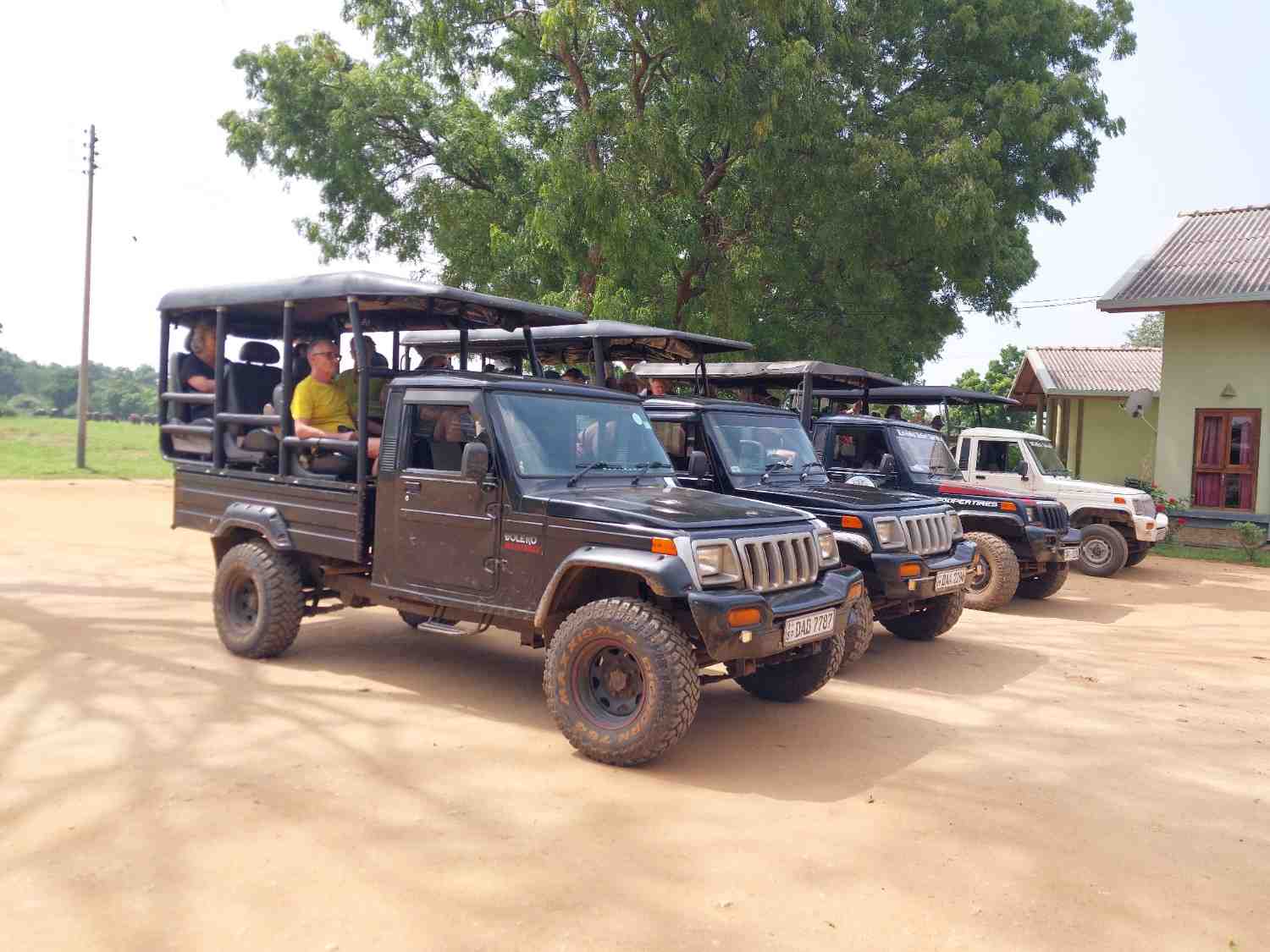
Preparing for a wildlife safari in Sri Lanka is exciting, but knowing what to wear on safari is essential for your comfort, safety, and respect for the wildlife. A private jeep safari inside Udawalawe National Park involves spending hours in an open-air 4x4 vehicle under the tropical sun. Dust, wind, heat, and occasional rain are all part of the adventure. Following a proper dress code ensures you stay protected while minimizing any disturbance to the animals.
1. Choose the Right Colors (Avoid Bright Colors)
When packing your safari wardrobe, focus on neutral, earthy tones. Olive green, khaki, beige, tan, and light brown are the ideal colors. These shades help you blend into the natural environment of the grasslands and scrub forest.
- Avoid Bright Colors: Do not wear bright red, yellow, pink, or neon colors. These colors stand out and can startle or scare away shy animals, preventing close encounters.
- Avoid White and Black: White clothing gets dirty instantly due to the dusty trail roads. Pure black absorbs heat rapidly under the tropical sun, making you uncomfortably hot, and can attract insects like tsetse flies.
- Avoid Military Camouflage: Wearing military-style camouflage clothing is highly discouraged or illegal for civilians in Sri Lanka.
2. Wear Lightweight, Breathable Fabrics
Sri Lanka’s climate is warm and humid year-round. Select clothing made of breathable, natural fabrics like cotton or linen. Long-sleeved shirts and lightweight trousers are highly recommended because they protect your skin from intense sunburn, wind-blown dust, and insect bites. Loose-fitting clothing allows air circulation, keeping you cool during midday. Always bring a light windbreaker or jacket for early morning safaris, as it can be surprisingly chilly when the jeep is moving at speed before sunrise.
3. Footwear: Wear Closed-Toe Shoes
While you will spend most of your time inside the safari jeep, closed-toe shoes like lightweight sneakers, trail runners, or hiking shoes are highly recommended. They provide stability when climbing into the elevated jeep and protect your feet from dust and insects. Avoid wearing flip-flops or open sandals, as they leave your feet exposed to the elements.
4. Essential Safari Gear Checklist
To maximize your comfort, don’t forget these essential accessories:
- Wide-Brimmed Hat: Protects your face, ears, and neck from direct sunlight. Ensure it has a chin strap so it doesn’t blow away in the wind.
- Sunglasses & Sunscreen: The tropical sun is intense. Use SPF 30+ sunscreen and polarized sunglasses to protect your eyes from glare.
- Insect Repellent: Apply a high-quality insect repellent before entering the park to ward off mosquitoes and flies.
- Dust Mask or Bandana: The dirt tracks can get very dusty, especially when trailing behind other vehicles. A bandana is perfect to cover your nose and mouth.