

A Guide to Udawalawes Elephants
Author
Walawa Naturalist
Published
April 12, 2026
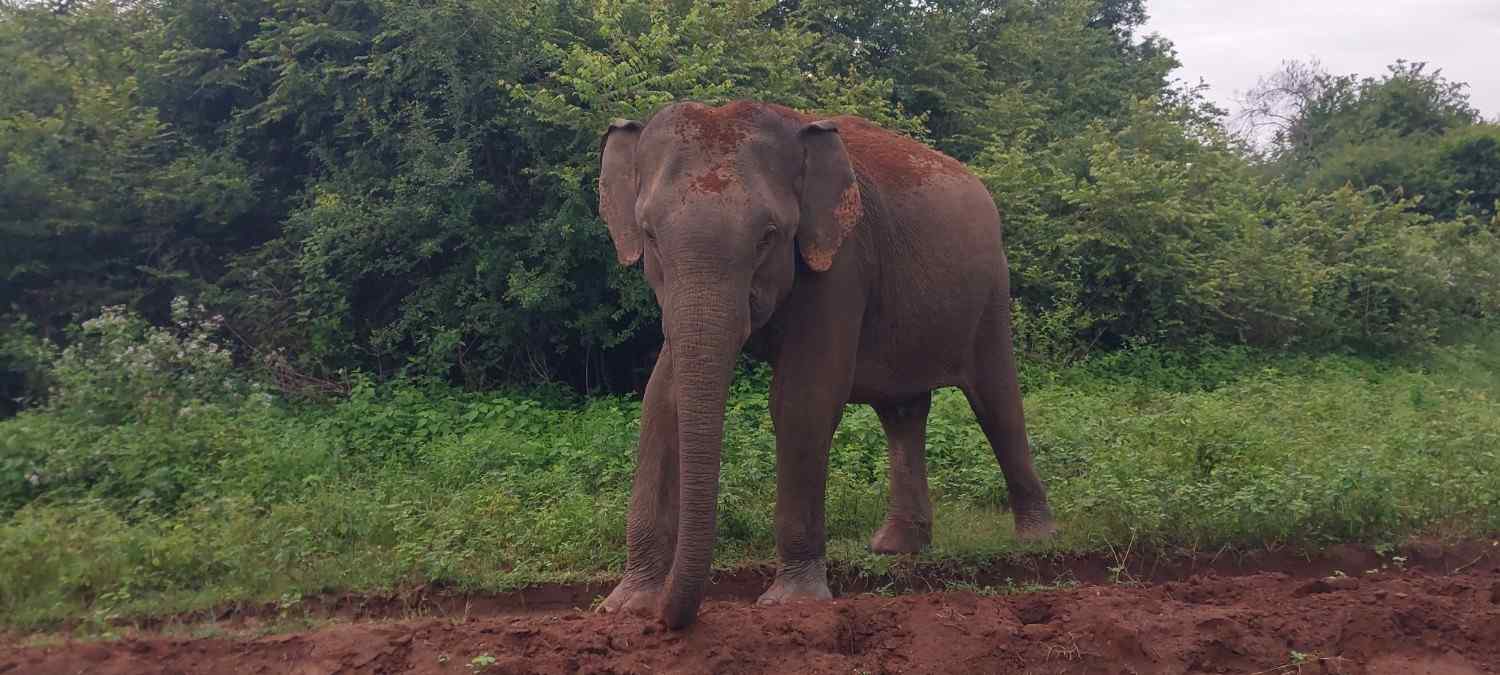
A Deep Dive into the Behavior of Sri Lankan Giants
Udawalawe National Park is globally celebrated as one of the premier sanctuaries to observe the majestic Sri Lankan elephant (Elephas maximus maximus) in its natural habitat. With an estimated population of 500 to 700 elephants roaming freely across its 30,000 hectares, the park offers an unparalleled window into their complex social structures, behaviors, and conservation needs. Understanding these gentle giants before your safari will make your wildlife encounters even more meaningful.
Social Structures: Family Herds vs. Solitary Bulls
The social life of Sri Lankan elephants is fascinating and highly organized. When you embark on a Udawalawe elephant safari, you will primarily observe two types of groupings:
- Maternal Family Herds: These closely-knit groups consist of adult females (cows), their young calves, and adolescent offspring. The herd is led by the oldest and most experienced female, known as the matriarch. She makes all the critical decisions, such as where to find water and food and how to avoid danger. The bond between mothers and calves is incredibly strong, and the entire herd participates in the protection and raising of the young.
- Solitary Bulls: Adult male elephants (bulls) leave the family herd when they reach adolescence (around 12 to 15 years of age). They lead mostly solitary lives or form loose temporary "bachelor groups." You will often see large, majestic bull elephants grazing peacefully alone in the grasslands or near the reservoir.
Understanding Musth in Male Elephants
During certain periods of the year, adult male elephants enter a physiological state called musth. Musth is characterized by a massive surge in testosterone levels, making the bull highly energetic and sometimes aggressive. You can identify an elephant in musth by a thick, dark secretion trickling from the temporal glands on the sides of its head. Our certified driver-guides are highly trained to recognize musth behaviors and maintain a safe, respectful distance to ensure guest safety while allowing you to observe their power securely.
The Udawalawe Elephant Transit Home (ETH)
To truly round out your elephant experience, we highly recommend visiting the Udawalawe Elephant Transit Home (ETH), located near the park entrance. Established in 1995, the ETH is a conservation facility that rehabilitates orphaned baby elephants found in the wild. Unlike typical tourist sanctuaries, the ETH minimizes human contact to ensure the calves can be successfully soft-released back into the national park once they are old enough. Visitors can watch the calves being bottle-fed milk from a viewing platform during scheduled feeding times (typically every 3 hours starting at 9:00 AM).
Ethical Sighting Rules on a Jeep Safari
At Walawa Safari, we practice strictly ethical wildlife tracking. We ensure our jeeps do not crowd the herds, turn off engines during close sightings to minimize noise pollution, and never feed the animals. Don’t miss the chance to witness these giants up close—explore our popular 3-Hour Elephant Safari or book an all-inclusive full-day tour to see them bath and play in the river.